
Webinar Series | Real Life Research Institute

How Conflict, Aid Cuts, and Misinformation are Redefining Ebola Responses in DRC

What Past Outbreaks Should Have Already Taught Us

Online webinar | Friday, June 12, 2026

Ottawa: 8:30 – 10:00 AM (EDT) | West Africa: 1:30 – 3:00 PM | Central & Southern Africa: 2:30 – 4:00 PM | East Africa: 3:30 – 5:00 PM

Webinar overview

Nearly five decades after Ebola was first identified in Yambuku, DRC, the country is currently grappling with its 17th Ebola outbreak. The current outbreak is caused by the Bundibugyo strain, which currently has no vaccine and has a high fatality rate. The virus continues to spread due to a combination of factors, including misinformation, conflict, and aid cuts.

Health responses are too often entangled with military presence, reinforcing perceptions of repression rather than care. Communities have seen relatives taken to treatment centres and never returned; burial practices are disrupted without dialogue; and deeply held beliefs are dismissed rather than engaged. The result is predictable: resistance, misinformation, and at times, violent backlash against response efforts themselves.

Although the DRC has solid experience in Ebola response, externally driven approaches might be sidelining what already works. At the same time, neighboring states and countries further afield remain primarily focused on preventing exported cases, rather than strengthening the response at the source. This not only complicates local containment efforts but risks accelerating regional and global spillover, leaving even distant systems more exposed.

Purpose of the webinar

This webinar attempts to answer the question: Why does Ebola persist in the DRC despite decades of response experience? Key speakers and participants will examine what must change to stop outbreaks at their source before they spread beyond it. The session will also discuss how community perspectives and lived realities reveal the social and cultural dynamics that continue to shape transmission.

This webinar is supported by the Health Systems, Equity, and Social Transformation Team.

Key speakers

  • Dr. Ekua Agyemang

    Speaker

    Dr. Ekua Agyemang

    Dr. Ekua Agyemang is a Public Health and Preventive Medicine specialist currently serving as Chief Public Health Officer for the Government of Nunavut, Canada, and Vice President of the Canadian Society for Circumpolar Health. In her role, she provides strategic leadership across surveillance, infectious disease prevention, outbreak response, and emergency preparedness, while advising the Government of Nunavut on the complex social, environmental, and climate-related factors shaping health outcomes in northern communities. Her expertise spans environmental health, infectious and chronic disease prevention, and climate-sensitive health challenges, including tuberculosis, zoonotic diseases, and food and water security. Dr. Agyemang began her medical career in Ghana, where she focused on tuberculosis, HIV, and high-impact infectious diseases, before pursuing advanced training in Canada, where she earned a Master of Public Health and completed her residency at the University of Alberta. Her international background and deep respect for Inuit knowledge systems and community-driven solutions shape her equity-focused approach to public health leadership.
  • Augustin Mudekereza Kasenge

    Speaker

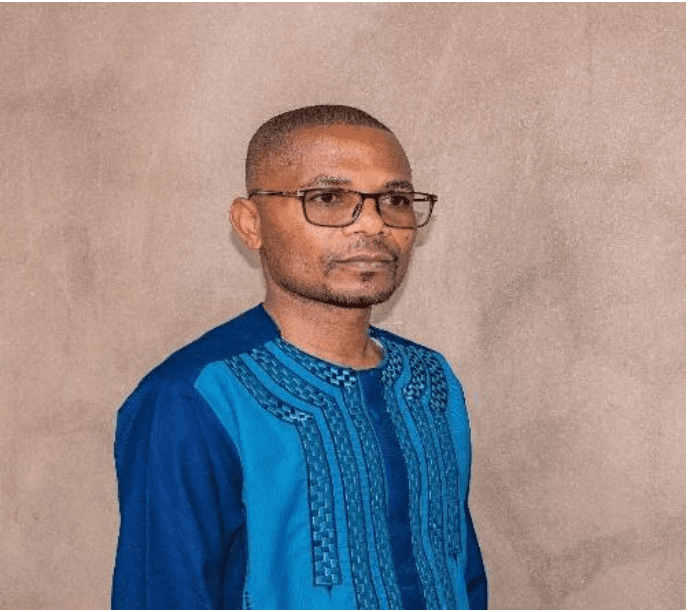
    Augustin Mudekereza Kasenge

    Augustin Mudekereza Kasenge is a university lecturer, researcher, and expert in local governance, decentralisation, and public-private partnerships based in the Democratic Republic of Congo. With over fifteen years of experience in applied research, community project coordination, and humanitarian action, his work focuses on natural resource governance, climate change, gender, and urban dynamics in South Kivu. He holds a Master's degree in Development Studies from ISDR/Bukavu and is a researcher at the Centre for Conflict Analysis and Governance at the Angaza Institute. As former Provincial Executive Secretary of the Red Cross DRC/South Kivu, he coordinated emergency responses to crises including Cholera and Ebola outbreaks, floods, and armed conflict, making him a key voice on the intersection of humanitarian action, governance, and public health in the DRC.

  • Nfor Hanson Nchanji

    Speaker

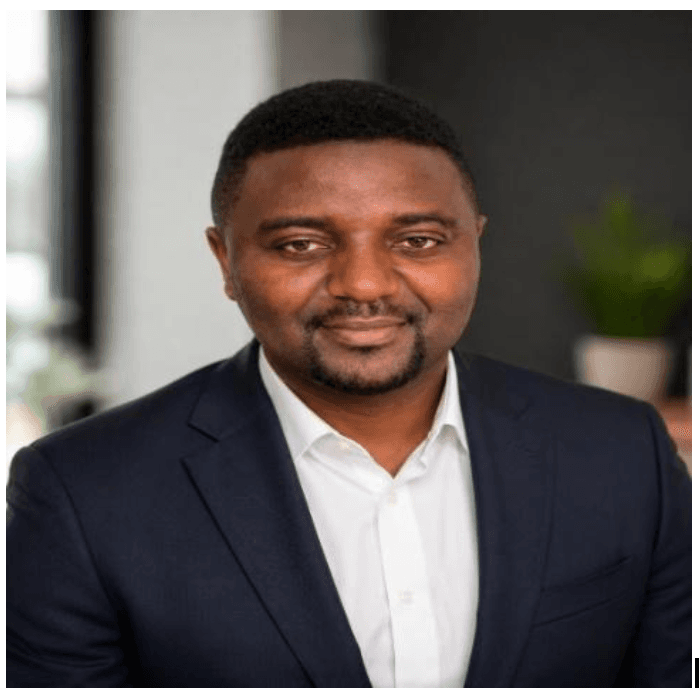
    Nfor Hanson Nchanji

    Nfor Hanson Nchanji is an award-winning media entrepreneur and digital strategist with a BSc. in Journalism and Mass Communication, an MBA in International Relations and Diplomacy. His expertise in geopolitical analysis and strategic communication has driven impactful consultant work for global NGOs, including the UNDP, International Crisis Group, Civitas Maxima, and PPLAAF. He worked with HD Centre in Geneva as a Mediation Advisor. Hanson is passionate about integrating digital engagement and AI to maximize organizational reach and social impact.

Moderator

Che Emmanuel Mforlem

Moderator

Che Emmanuel Mforlem

Che Emmanuel Mforlem is a Corporate Investigator, Community Awareness Advocate, and Public Educator with a strong commitment to promoting informed decision-making, responsible citizenship, and community engagement. As the Founder of AIOCAM (Awareness and Information Orientation Cameroon), he has built a platform dedicated to making complex information accessible to ordinary citizens, from civic education and social responsibility to sustainable community development. His work is rooted in the belief that informed communities are better equipped to hold institutions accountable, navigate crises, and drive meaningful change from the ground up.