Community-Driven Solutions Across Africa
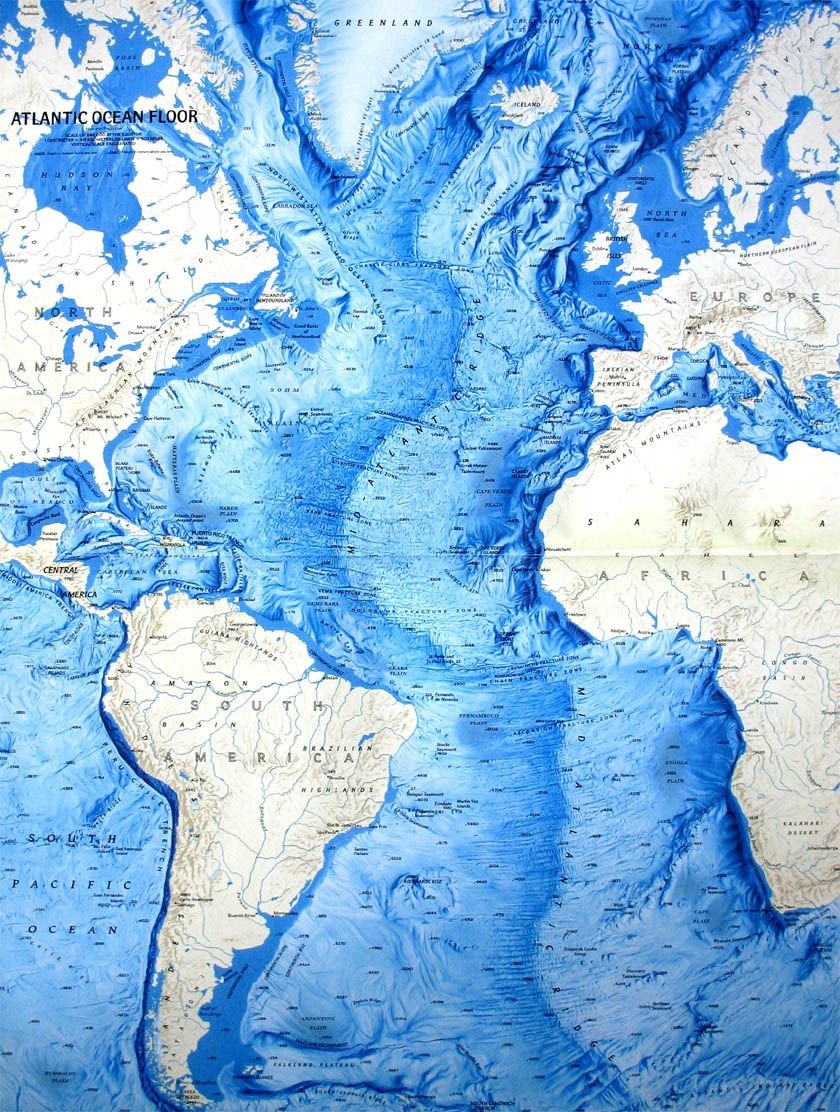
The Ocean Program at the Real Life Research Institute – Africa Program builds on our work on ocean, blue economy, maritime security, governance, and inclusive economic development. The program focuses on ocean and maritime activities, local, regional, and international ocean policies and law, including aspects of livelihood, coastal development, and resilience. The program supports contemporary debates and policy action on sustainable ocean resource management, economic development, strengthening environmental protection, and enhance the resilience of coastal and marine-dependent communities. We contribute to research that advances understanding of ocean ecosystems and ocean health, with a focus on the Gulf of Guinea and beyond. By generating context-specific knowledge and linking African expertise with international research and policy platforms, the program positions Africa as a critical contributor to global ocean science and governance.
Our Digital Futures Program focuses on the social, political, and economic implications of digital transformation across Africa, with particular attention to artificial intelligence (AI) and its growing role in shaping sustainable development. The program supports research and policy engagement on the ethical use of AI, AI governance frameworks, the gendered dimensions of artificial intelligence. It also examines how biases in AI systems can reinforce inequalities, particularly for women and marginalized groups, and explores pathways for more inclusive, accountable, and context-sensitive AI design and deployment. The program contributes to shaping more equitable and responsible digital futures while positioning Africa as an important actor in global debates on AI governance and digital transformation.
The Climate Adaptation & Resilience program amplifies local and indigenous voices across Africa on climate adaptation. It supports research and policy dialogue on locally grounded adaptation strategies, resilience-building, climate justice, livelihood protection, and the governance systems needed to respond to growing climate risks. The program also examines the intersection of climate change and conflict, including how environmental stressors such as resource scarcity, displacement, and livelihood disruption can exacerbate existing tensions and undermine stability in vulnerable regions like the Sahel. By advancing evidence-based and context-sensitive approaches, and by connecting African perspectives to broader global debates, the program contributes to stronger and more inclusive responses to climate change across the continent and beyond.
The Peacebuilding & Inclusive Dialogue Program builds on our work on national dialogues and the role of civil society in peacebuilding processes across Africa. The program explores the actual and potential role of civil society organisations in peacebuilding dialogues. It supports research and policy engagement on peace processes, national and local dialogue initiatives, civil society participation, gender inclusion, and the institutional conditions needed for meaningful and sustainable peacebuilding. By producing context-specific knowledge and linking African practitioners and researchers with wider policy and dialogue platforms, the program engagescommunities, civil society actors, and decision-makers, ensuring that locally grounded insights meaningfully inform policy processes and support effective conflict transformation.