Blogs

BBNJ and the High Seas ambitions in the Gulf of Guinea (GoG) region: The need for more attention

Richard A. Nyiawung, PhD & Chris Begealawuh, PhD

The March 2026 BBNJ Preparatory Commission (BBNJ Prep Com III) meeting at the UN Headquarters provides an avenue for policymakers and experts to continue discussions on the Conservation and Sustainable Use of Marine Biological Diversity of Areas beyond National Jurisdiction (BBNJ). While parties are focused on developing the terms of reference for subsidiary bodies and provisions on funding and financial mechanisms in what can be called the first “Conference of the Parties to the Agreement,” they should also consider implementation readiness and ratification challenges across countries/regions. Moreover, it is necessary to also consider how the BBNJ overlaps with existing regional conventions on cooperation and protection of marine biodiversity.

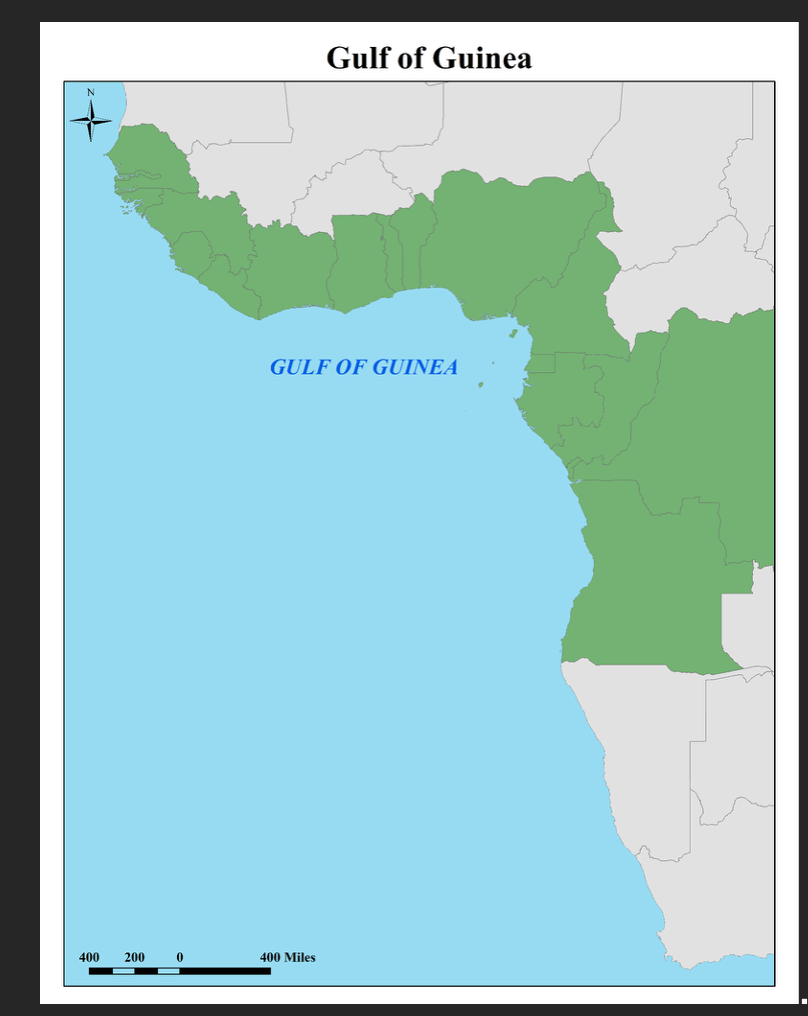
In this context, the Gulf of Guinea (GoG) region, spanning Central and West Africa, is of great concern due to its geography and status as a global biodiversity hotspot. Over the last few decades, ocean- and fisheries-related activities that harm the ocean beyond the exclusive economic zone (EEZ) have increased significantly. There is pressure on the ocean within the GoG to deliver more for corporations and people through increased fishing and maritime activities. Several foreign actors are operating in the region, with some engaged in illegal activities, exploiting loopholes and the limited capacity of states to effectively monitor, enforce, and control activities on the high seas to protect marine resources. Beyond the direct impacts on dependent coastal communities, the conservation and management of marine and other biological resources remain major problems.  

Why does the GoG region matter?

The GoG is an exceptional region with a productive upwelling zone that serves as habitat for breeding and nesting groups of several important marine species, enriching its marine and coastal ecosystems. The coastal transitional zones and ocean currents promote fish production that supports the livelihoods of more than 10 million people across the small Islands and coastal states in the region. The ecological and social characteristics of the GoG make it an important region that warrants serious consideration in the context of the BBNJ and high seas agreements, particularly regarding governance and the inclusion of coastal communities in the enforcement and legal operationalization


Figure: The Gulf of Guinea region cutting across Central and West Africa

Existing challenges

While the BBNJ agreement might have entered into force in January 2026, this does not preclude the existing challenges in the GoG. The governance of ocean and maritime activities remains a major problem in the region. Countries in the region lack the capacity to implement and enforce legal standards, such as those promised by the BBNJ. Weak institutional frameworks and poor legal procedures for prosecution and penalties leave the regions exposed to rising illegal activities, including overfishing, IUU fishing, pollution, and rapid biodiversity loss. Moreover, the transboundary nature of ocean/maritime activities makes governance and enforcement of marine conservation efforts challenging, especially for states dealing with limited capacity. This also includes limited investment and enthusiasm for ocean research, as well as funding, in the region compared to those in other areas, such as the West Indian Ocean.

What can be done?

Achieving the BBNJ and High Seas ambitions in the GoG will require coordinated, intentional efforts by the states and international and regional partners. Key actions will include:


A thorough assessment of existing legal and institutional frameworks is needed across all the countries of the GoG to understand the gaps and challenges in implementing the BBNJ agreements and related conventions
Funding mechanisms should intentionally include capacity development for localized ocean science and policy research in the region to promote a vibrant  environment that connects governments, universities and research institutes across the GoG
Opportunities should be provided to maximize the use of emerging digital and technological innovations to improve ocean governance and transboundary collaboration for the GoG states
Promoting transparency, power regulation, and equitable access to data and benefit-sharing among actors and stakeholders, especially through implementation tools such as the clearing-house mechanism.

 

Explore More from RLRI Africa Program

Discover more research, stories, and insights from the Real Life Africa Program.


Digital Risks and Opportunities for Women in East Africa 

Digital Risks and Opportunities for Women in East Africa 

The digital world presents opportunities and risks to all people. Women in East Africa face unique risks and barriers to digital access compared to men. Even so, there are actions that can be taken to enhance the digital opportunities and safety for women. 

How Tensions in the Middle East Affect Africa’s Economy, Security, and Geopolitics

How Tensions in the Middle East Affect Africa’s Economy, Security, and Geopolitics

How Tensions in the Middle East Affect Africa’s Economy, Security, and Geopolitics

Mjadala Afrika:  The AU Chairperson Elections & 2024 Candidate Debate

Mjadala Afrika:  The AU Chairperson Elections & 2024 Candidate Debate

Three African politicians seeking the role of Chairperson of the African Union Commission met on Friday, 13 December 2024 in a debate at the AU headquarters in Addis Ababa.

Leave a Reply

Your email address will not be published. Required fields are marked *